
For Teachers & Homeschoolers — Athena Children’s Book
Every group of learners is different. These ideas help teachers and homeschoolers use open questions and creative participation when exploring themes associated with Athena.
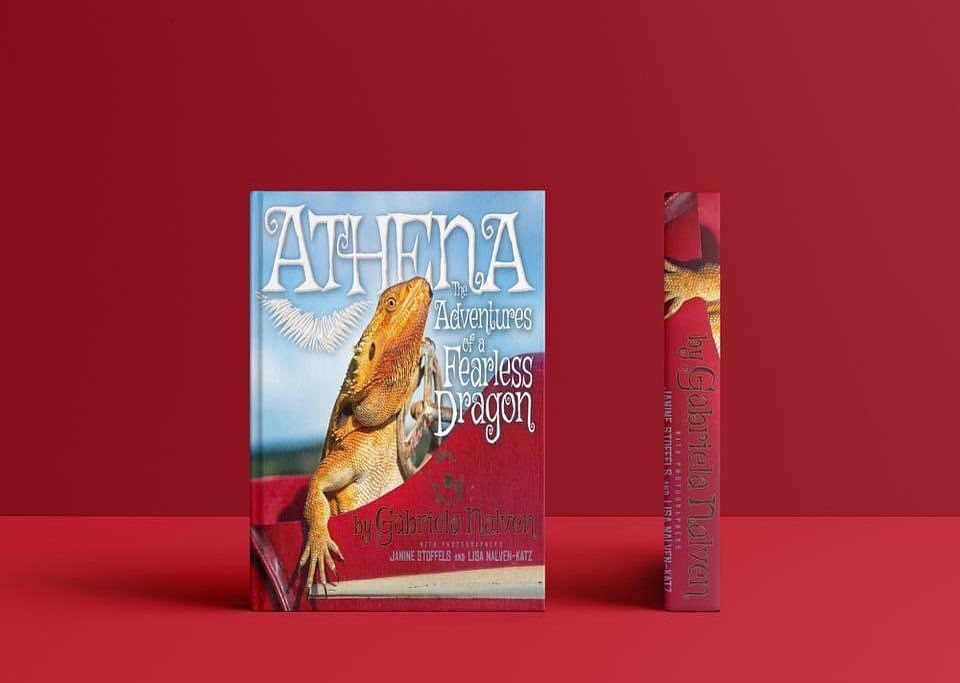
Support different ways to participate
Not every learner wants to speak first. Offer time to think, draw or write a response before group discussion. A partner conversation can help some students organize their ideas.
Ask learners to listen for differences in perspective. The goal is not unanimous agreement but a respectful exchange of ideas.
Begin with an open question
Invite learners to define courage or kindness in their own words before comparing responses. A simple opening question can reveal different experiences without asking anyone to share something personal.
When discussing a story, distinguish what a reader notices in the text from what they infer. Both can matter, but naming the difference encourages careful thinking.
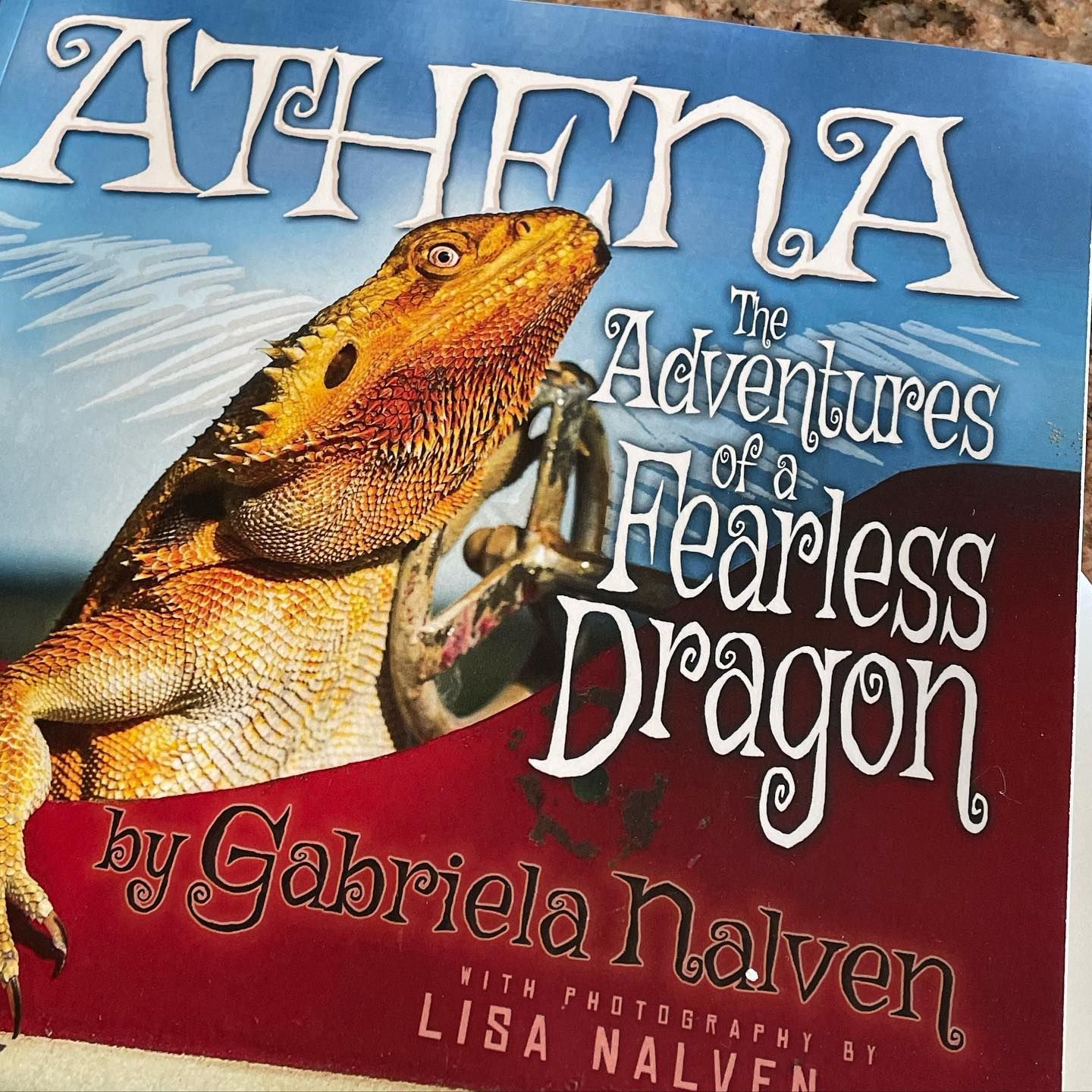
Extend the discussion
Invite students to describe what inclusion looks like in a classroom or learning group. They might suggest sharing materials, making room in an activity or asking someone whether they want to join.
For a creative follow-up, explore Free Activities & Coloring Pages. If your school or library is considering multiple copies of the book, visit School & Library Bulk Orders.
A simple discussion sequence
Begin by inviting learners to describe what they think the words fearless and welcoming mean. Record different interpretations without requiring agreement. During reading, ask learners to notice an action, a feeling or a choice that matters to them, using only events actually present in the book. Afterwards, let them choose one response: a short reflection, a drawing or a conversation with a partner. Invite them to explain why they chose that moment and how it connects with their own understanding of kindness. This flexible sequence can be adjusted for different learners and settings; it is a suggestion for discussion, not a prescribed lesson plan or claim about a specific scene in Athena.